 1 niche
Stories & drama
Character-driven short fiction with a recurring cast and their own voices.
from 1,700 credits a video
Open →Every niche below is one we actually produce, in 9:16 for Shorts, TikTok and Reels or 16:9 for YouTube. We're not an agency and don't sell ready-made channels.
A faceless channel never shows a person on camera: a voiceover, captions and visuals carry every video. The channel is known for its topic and its look, not for a face.
There are three common ways to produce one:
You write the script, record the voice, find or draw the visuals and edit them together. It costs little money but many hours per video.
You pay someone for the script, the voice or the edit. It saves your time, but every video becomes a bill.
An engine turns a topic or a script into a finished video that you review before posting. On FacelessReels.tv each niche has its own engine for this.
We make faceless videos in 8 niches today, grouped below by what the videos are about. Each card names the niche, says what it makes, where it fits and what a video costs in credits, and links to the niche page with our own samples.
1 nicheCharacter-driven short fiction with a recurring cast and their own voices.
from 1,700 credits a video
Open →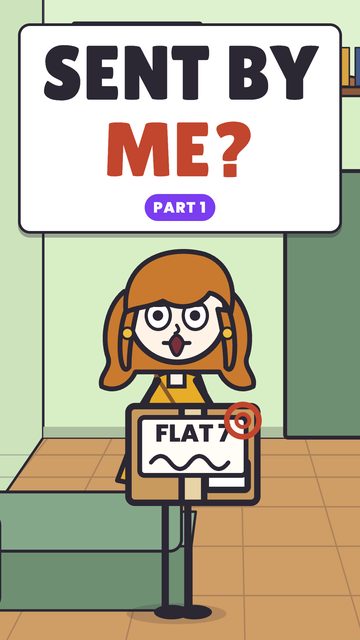
 2 niches
Scary stories, everyday puzzles and unsolved-case formats that keep viewers guessing until the last line.
from 150 credits a video
Open →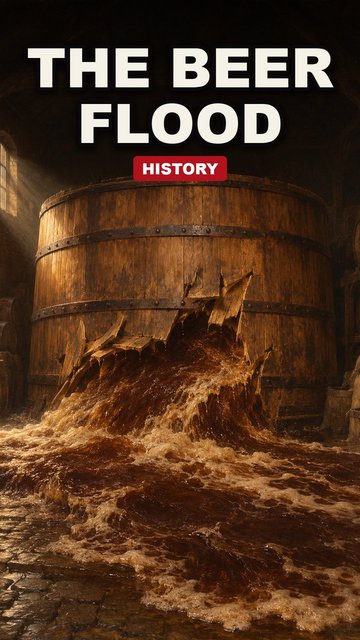
 2 niches
Real events, battles, campaigns and daily life in the past, told with painted scenes or moving maps.
from 150 credits a video
Open →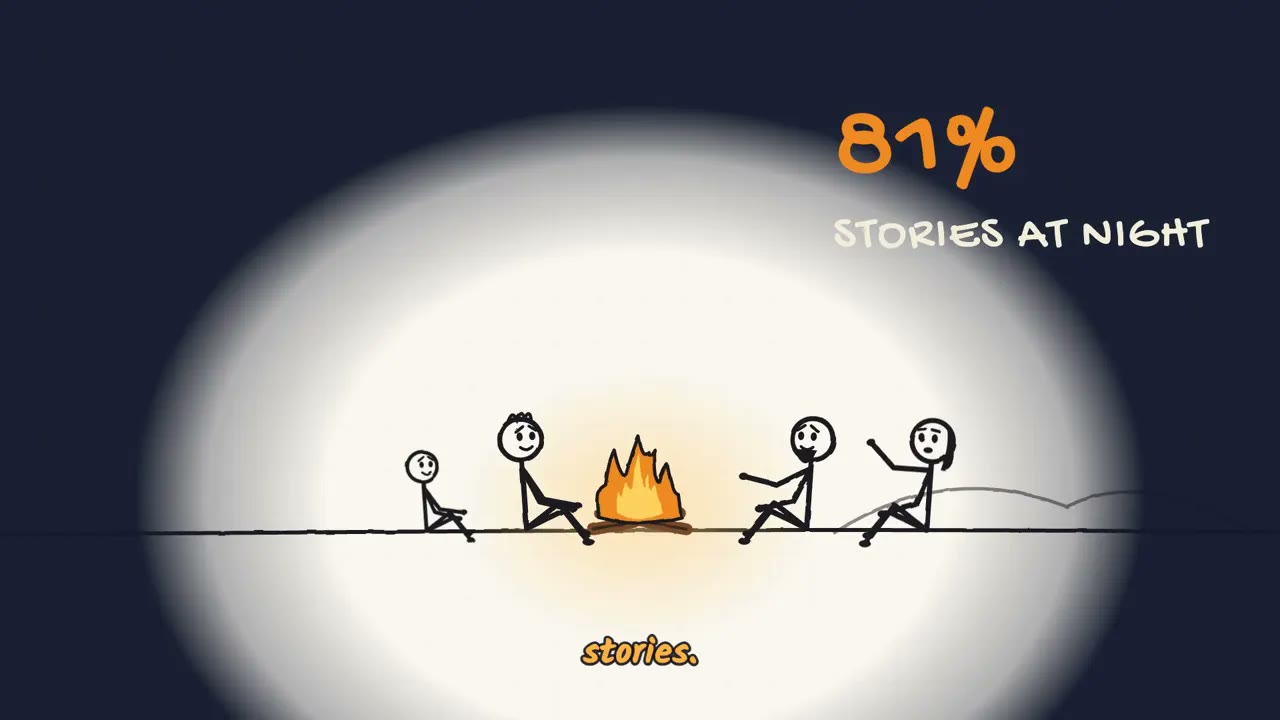
 2 niches
One curious question per video, answered with simple animation: science, everyday life, hypotheticals and data.
from 1,200 credits a video
Open →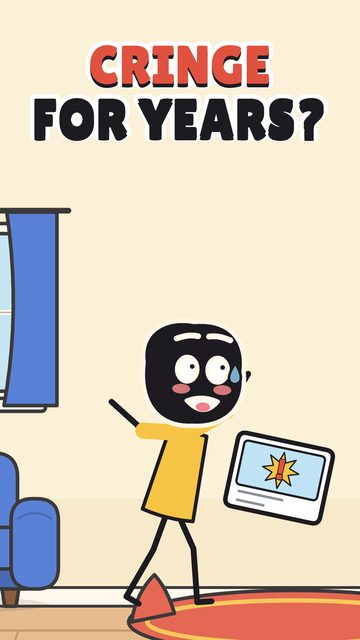
 1 niche
A small recurring cast acting out relatable everyday situations, with a joke or a twist at the end.
from 2,100 credits a video
Open →Character-driven short fiction with a recurring cast and their own voices.
Short anime-style episodes with recurring characters, their own voices and subtitles.
About 1,700 credits a video
The mirror talks back16:9 widescreen · 0:20
Scary stories, everyday puzzles and unsolved-case formats that keep viewers guessing until the last line.
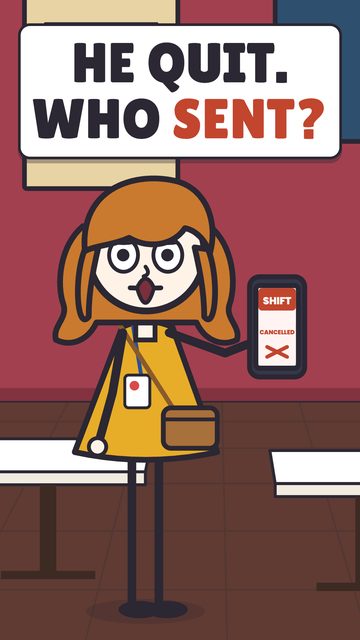
A cartoon cast works out one small everyday puzzle, each with their own voice, and ends on a cliffhanger.
About 1,000–1,200 credits a video
A parcel in my own handwriting9:16 vertical · 1:30
The manager who quit cancelled my shift9:16 vertical · 1:30
A table booked in my name9:16 vertical · 1:30
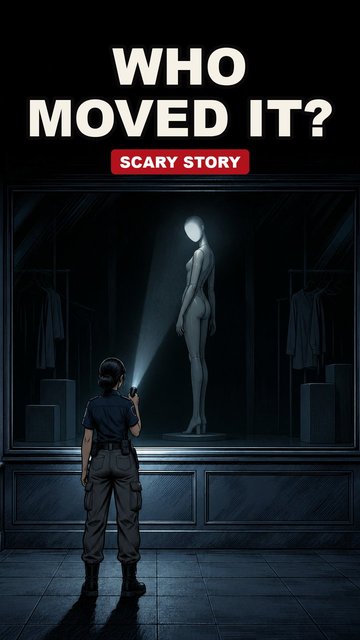
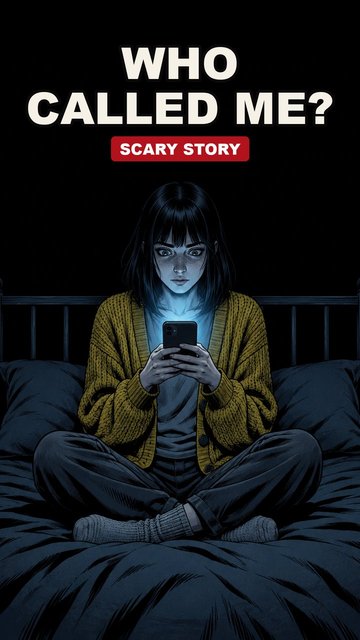
Original horror stories told by a calm narrator over moody illustrated scenes.
About 150 credits a video
The mannequin on level two9:16 vertical · 1:01
The voicemail from my own number9:16 vertical · 0:56
The ninth room9:16 vertical · 0:53
Real events, battles, campaigns and daily life in the past, told with painted scenes or moving maps.
One story per video, such as a battle, an odd law or a forgotten machine, over painted documentary scenes.
About 150 credits a video
The London Beer Flood of 18149:16 vertical · 0:47
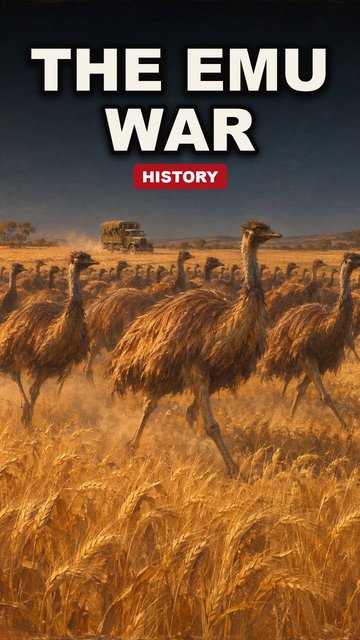
The Great Emu War of 19329:16 vertical · 0:47
The Great Stink of London, 18589:16 vertical · 0:47
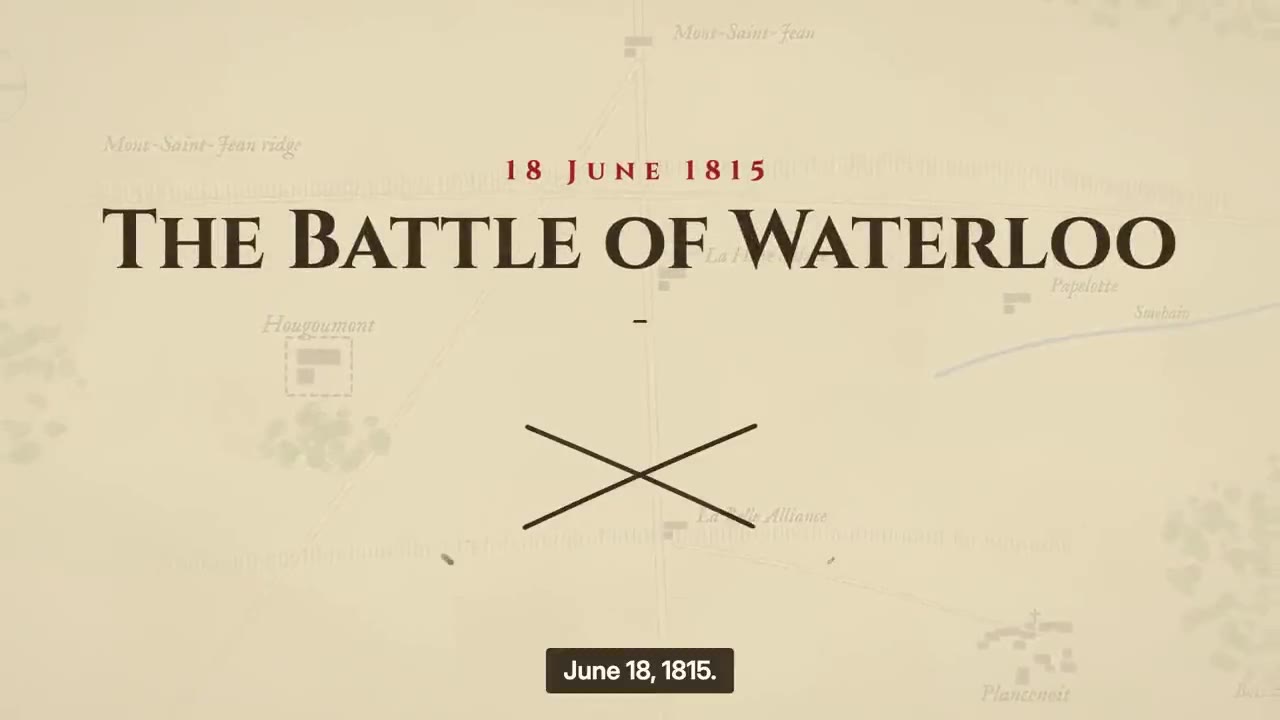
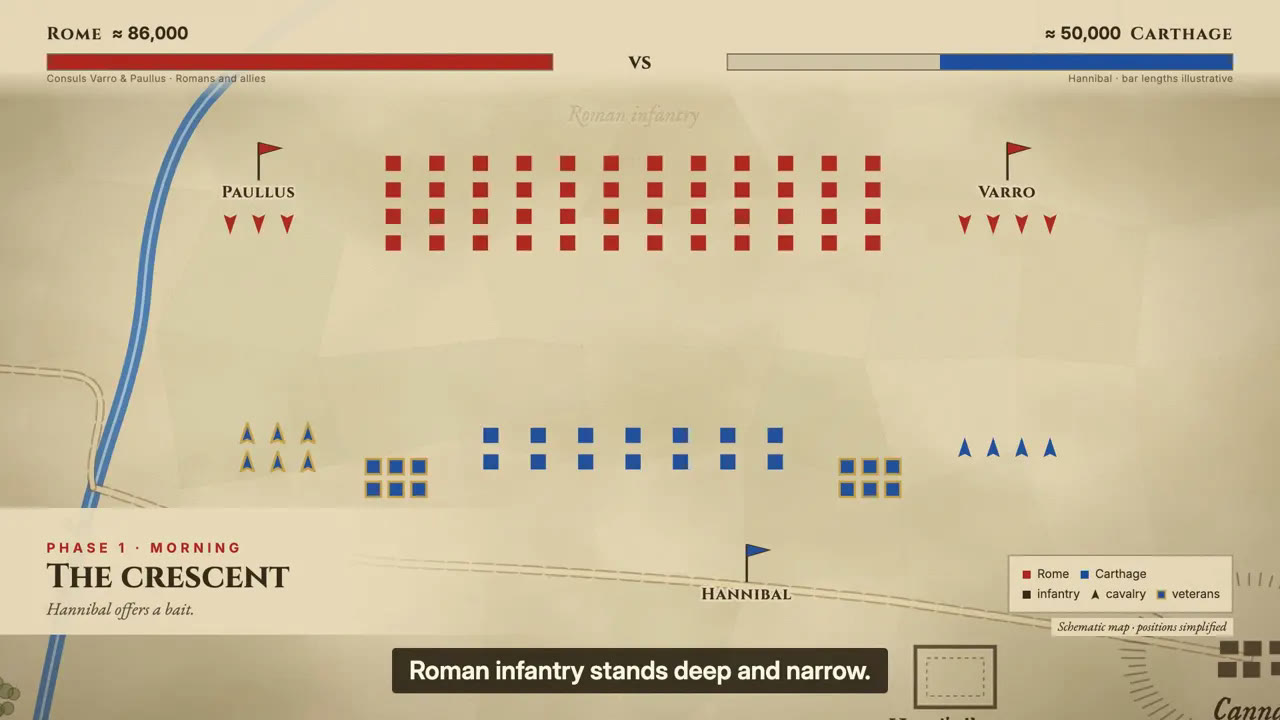
Maps of battles and campaigns, with borders, troop movements and labels, narrated over the map.
About 3,300 credits a video
Waterloo: the farm that held16:9 widescreen · 1:29
Cannae: the crescent trap16:9 widescreen · 1:20
One curious question per video, answered with simple animation: science, everyday life, hypotheticals and data.
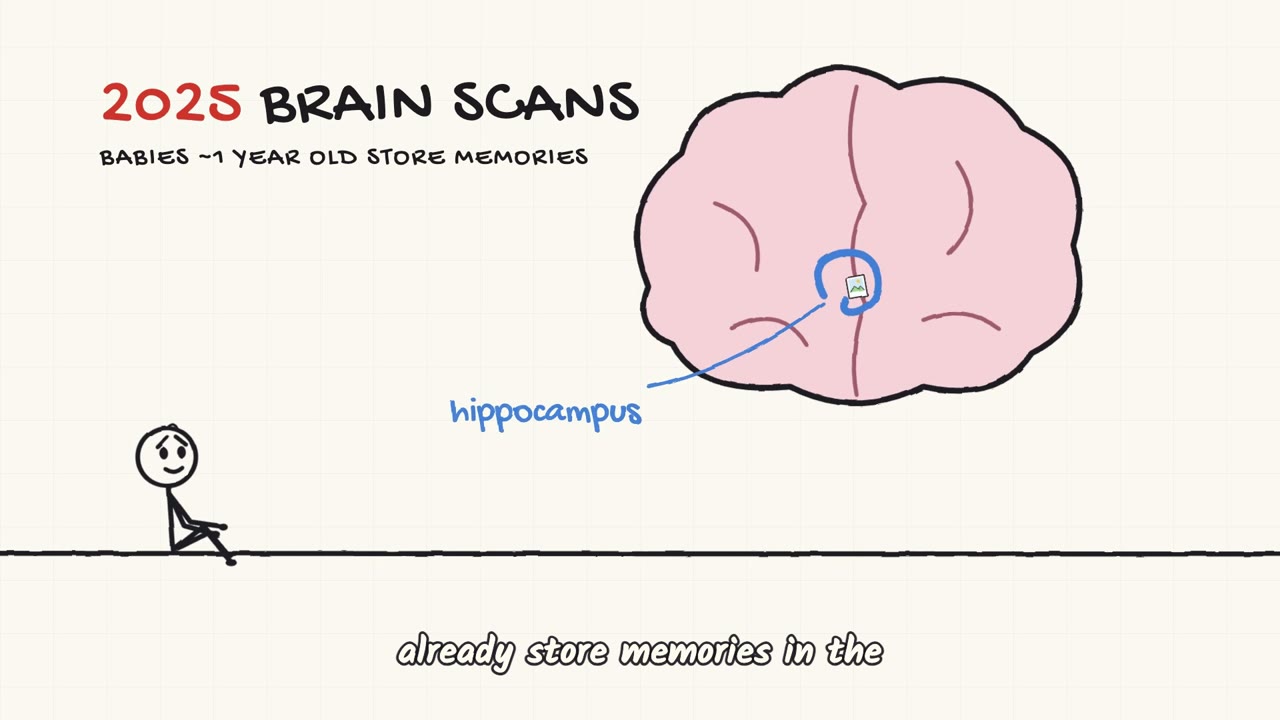
Thin hand-drawn stick figures act out the answer to one curious question on a sheet of paper.
About 2,800 credits a video
What did ancient humans do all night?16:9 widescreen · 1:00
Why can't you remember being a baby?16:9 widescreen · 1:01
One hypothetical per video, told with flat-vector cartoon characters over painted places.
About 1,200 credits a video
When it hits: ski resort outbreak9:16 vertical · 1:02
A small recurring cast acting out relatable everyday situations, with a joke or a twist at the end.
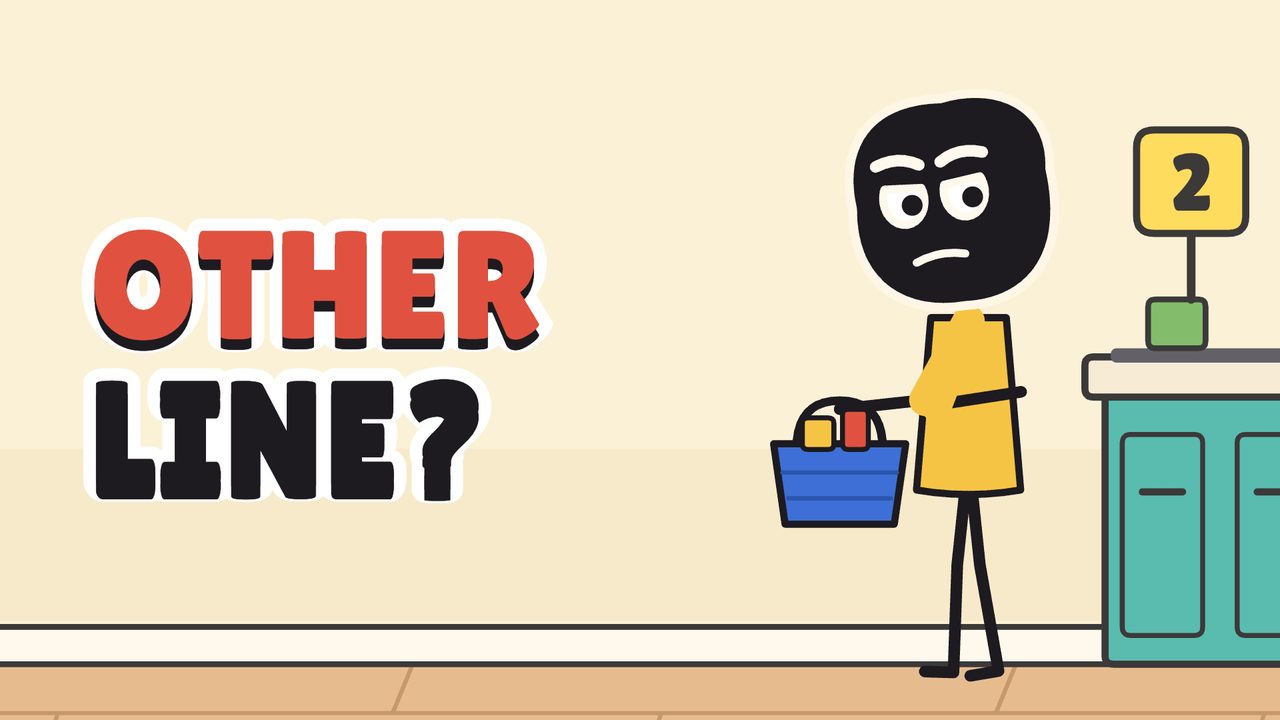
Narrated stick-figure films that answer one curious everyday question each.
About 2,100–2,600 credits a video
Why do you remember embarrassing moments for years?9:16 vertical · 1:00
Why does the other checkout line move faster?16:9 widescreen · 1:00
Why do you get sleepy after a big lunch?9:16 vertical · 1:00
Start with the category whose topics you could keep making for months, then compare the looks and the credits and open a niche page to watch our samples. A new category appears here when its first niche opens.
Viewers choose a video for its topic and its first few seconds, not for the person who made it. A clear question or an unsettling first line earns the click on its own.
That is why many faceless channels compete well with presenter-led channels. The idea, the script and the pacing do the work.
The same voice, style and structure in every video help viewers recognise the channel in a crowded feed, and help recommendations find the right audience.
You never show your face, your voice or your home.
You can run two channels side by side, keep the one that grows and drop the other.
One vertical faceless video can go out as a YouTube Short, a TikTok and a Reel, so a single idea reaches three feeds.
A faceless format also suits a team of one. You can plan a week of videos in an evening, and nothing depends on how you look or sound on a given day.
Pick a niche whose topics you can refill every week and whose look you are happy to repeat. Play two samples on the niche page, then check that you could write the next ten topics without searching.
Most faceless niches look alike on paper. These five checks separate the ones that last from the ones that stall after a month.
You can list twenty episodes today. History never runs out of events, and curiosity channels never run out of questions.
Painted scenes, stick figures, maps or anime characters. Switching later confuses viewers.
Some niches run on a weekly schedule that you review, others are films you plan one at a time.
Radar shows which faceless channels in a niche started recently and are still growing. A niche where new channels break out is a better bet than one held by a few giants.
A niche you find interesting is easier to keep going for months. Interest alone is not enough, which is why it comes last on this list.
| YouTube Shorts | TikTok | Instagram Reels | Facebook Reels | |
|---|---|---|---|---|
| Video shape | 9:16 vertical | 9:16 vertical | 9:16 vertical | 9:16 vertical |
| Same finished video | Yes | Yes | Yes | Yes |
The same 9:16 render is what we deliver for all four: nothing needs re-editing per platform. Maps, diagrams and a lot of detail work better in regular YouTube videos, where the picture has room.
On YouTube these niches come in two shapes: the vertical ones as Shorts and the wide ones as regular long videos. The cards below show which niche comes in which shape; some come in both.
Painted history · Stick figure sitcom · Stick figure explainers · Cartoon what-ifs · Anime stories · Mystery cartoons · Scary stories
Stick figure sitcom · Stick figure explainers · Battle maps · Anime stories
More niche ideas for YouTube: faceless YouTube channel ideas
Faceless channels earn mainly from YouTube ads once they meet the YouTube Partner Program rules, plus sponsorships, affiliate links and their own products. YouTube changes its thresholds and policies from time to time, so check the current rules in YouTube Studio.
Ads through the YouTube Partner Program, on long videos and on Shorts.
Sponsorships, which come more easily when the audience is clear, such as history fans, students or horror readers.
Affiliate links in the video description.
Your own digital products and channel memberships.
Usually earn less per view, so Shorts-first channels often lean on sponsorships and their own products earlier.
Take longer to make but tend to pay more per view.
Earning also depends on originality. YouTube’s policies favour videos that add something of their own and limit mass-produced, repetitive uploads, so original scripts and a recognisable format matter. We do not decide monetisation, and no niche guarantees income.
Planning is free; a video is 30 to 90 seconds long and costs from about 150 credits, and animated films take about half an hour to render. The card for each niche above shows its credits per video.
A short narrated video with edited visuals can take several hours from script to export. Freelancers turn those hours into a bill per video.
Every video shows its credit cost before you confirm, so you can budget a month of videos before you start.
Compare plans and packs on faceless video pricing
The most common mistake is switching niche every few videos, before any one of them has had time to find viewers. The other four follow the same pattern: too much change, too little patience.
Mistake: Trying several faceless YouTube channel ideas on one channel trains nobody to come back.
Instead: Start a second channel for a second idea.
Mistake: Reuploaded clips and cloned formats lead to weak videos and monetisation problems.
Instead: Study what works, then make your own version.
Mistake: Opening with a greeting, when most viewers decide in the first seconds.
Instead: Open with the question or the hook.
Mistake: A burst of uploads followed by weeks of silence.
Instead: A steady weekly rhythm.
Mistake: Giving up before a niche has had enough uploads to learn from.
Instead: Change one thing at a time, and check what similar channels on Radar are doing before you give up.
Most of these come from impatience rather than a bad idea. The fix is usually to keep the niche and change one thing, such as the opening line or the posting day.
A faceless YouTube channel is a channel where the videos don't show your face; most are built on AI voices, stock or generated visuals, and a fixed format.
To start one, pick a niche and a video format, produce a few videos in 9:16, then publish on a schedule and watch what holds.
A channel whose videos never show the creator: a narrator or captions carry the story over painted scenes, animation or diagrams. History, story, mystery and animated explainer channels are the most common kinds.
A niche with a steady supply of topics and a simple, repeatable look, such as history or short original stories. Animated niches like stickman take more planning per video but are easier to brand.
Yes, for the vertical niches. Their 9:16 videos fit YouTube Shorts, TikTok and Instagram Reels; the 16:9 niches are made for regular YouTube videos. Each row in the directory says which shape a niche comes in.
Yes. A faceless channel can join the YouTube Partner Program like any other channel once it meets YouTube’s eligibility rules and policies, including its rules on original, non-repetitive content.
Planning is free, and each video costs a fixed number of credits by niche, from about 150 credits. You see the cost before you confirm; credits come with a monthly plan or a one-time pack.
You download each video and post it yourself; automatic publishing to YouTube is coming soon.
One. A single niche with a consistent look is easier to run and easier for viewers to recognise. Add a second channel only once the first has a steady rhythm.
Yes. Every sample on a niche page was made by the engine that makes your videos, with the same voices, captions and look.
Niches that carry maps, diagrams or a lot of detail, such as battle maps, work best in 16:9. Story and short explainer niches are made for 9:16 first. Each row in the directory shows the shapes a niche comes in.