Faceless YouTube Channel Ideas You Can Actually Sustain
18 faceless YouTube channel ideas grouped by what they need to produce. See which ones our AI can make end to end, which need filming, and how to test one.
FacelessReels.tv Team · Updated 2026-11-12
Contents
What makes a faceless YouTube channel idea work
A faceless YouTube channel idea works when it has three things: a repeatable promise viewers can recognise, a look that does not depend on a presenter, and a steady supply of topics. The niche name matters far less than these three.
A repeatable promise
Every episode delivers the same kind of thing, so a viewer knows what the next one holds.
A presenter-free look
Drawings, maps, painted scenes or footage carry the video, with a voice and captions.
A supply of topics
You can name the next twenty episodes without running out.
YouTube judges a channel over many videos, not one. The same ideas also work as TikTok and Reels clips, and the platform section below shows what changes between them.
How to choose a faceless YouTube channel idea in four tests
Choose with four tests before you look at any niche list: can you write ten specific titles, how hard is each fact to check, can every episode share one look, and can you keep the pace for three months. An idea that fails two of them is the wrong first channel.
Ten titles
Write ten specific episode titles in ten minutes. If the list stalls at four, the idea is too thin.
Evidence cost
Ask how hard it is to find and check the source for each episode. History and facts need sources; stories do not.
One visual anchor
Decide whether every episode can share one look without a presenter. A fixed look makes a series recognisable.
Series stamina
Count the hours one episode takes and compare them with the pace you plan to keep for three months.
For a directory of directions with samples from our own engine, see our faceless niches.
18 faceless YouTube channel ideas, grouped by what you have to produce
The 18 ideas below are grouped by what you have to produce, not by how good the niche name sounds. Eight are marked "Made here": our AI can make them end to end, and each links to its niche page. The rest are directions only.
Animated stories
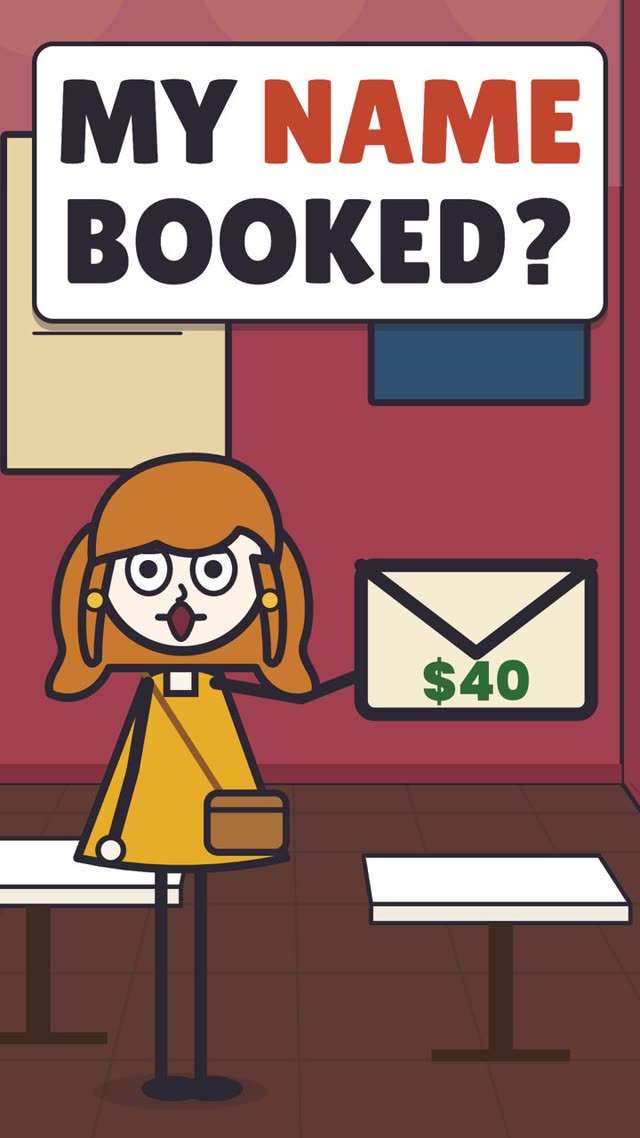
1Everyday mystery stories
- On screen
- A short first-person puzzle with a cartoon cast, their own voices and a cliffhanger.
- Why it works
- The viewer guesses before the reveal, so each episode earns the next.
- Effort
- Medium.
Made here: cartoon video maker.
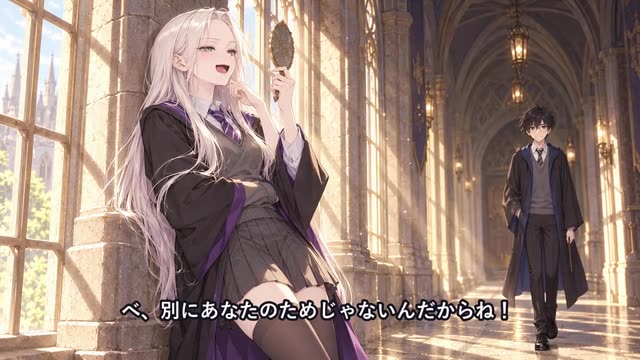
2Anime story shorts
- On screen
- Anime-style episodes with recurring characters who keep their look, their own voices and subtitles.
- Why it works
- Viewers return for the characters, not for a presenter.
- Effort
- High: describe the characters the same way every time.
Made here: anime video maker.
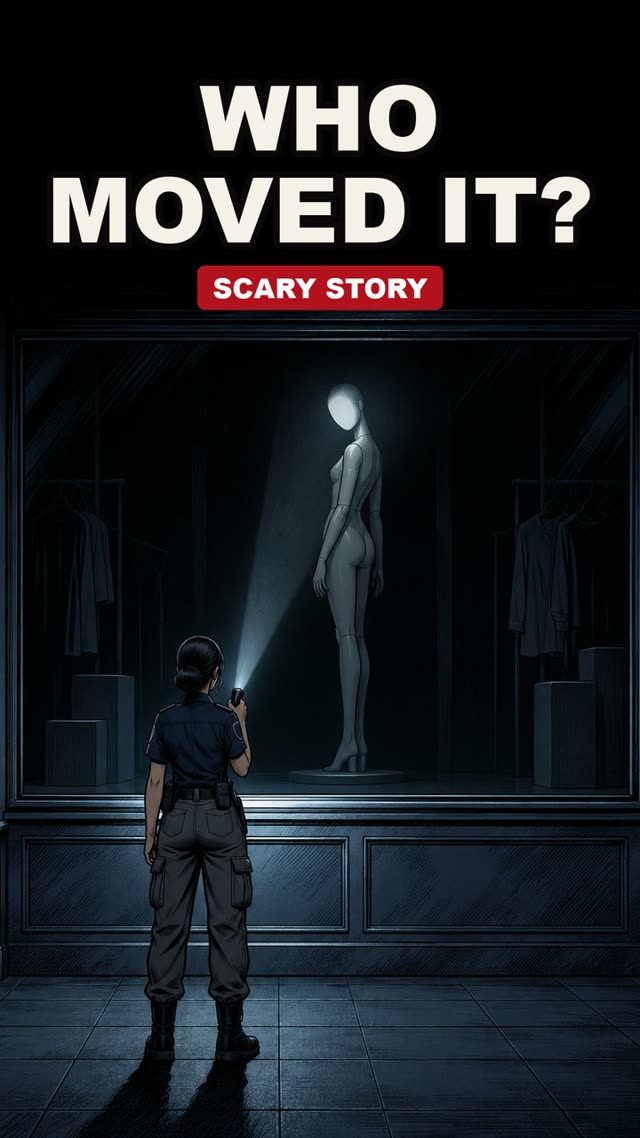
3Horror and creepy stories
- On screen
- Painted scenes with slow camera moves, a calm narrator and word-by-word captions. It is not frame-by-frame animation.
- Why it works
- Suspense does the work, so the picture only has to suggest.
- Effort
- Low to medium.
Made here: scary story ideas turned into narrated videos.
4Mythology and folklore retellings
- On screen
- Retold myths and folktales over illustrated scenes and a narrator.
- Why it works
- Public stories give you a steady supply of topics.
- Effort
- Medium: check each retelling against a source.
Direction only: we do not make this niche yet.
Maps and history
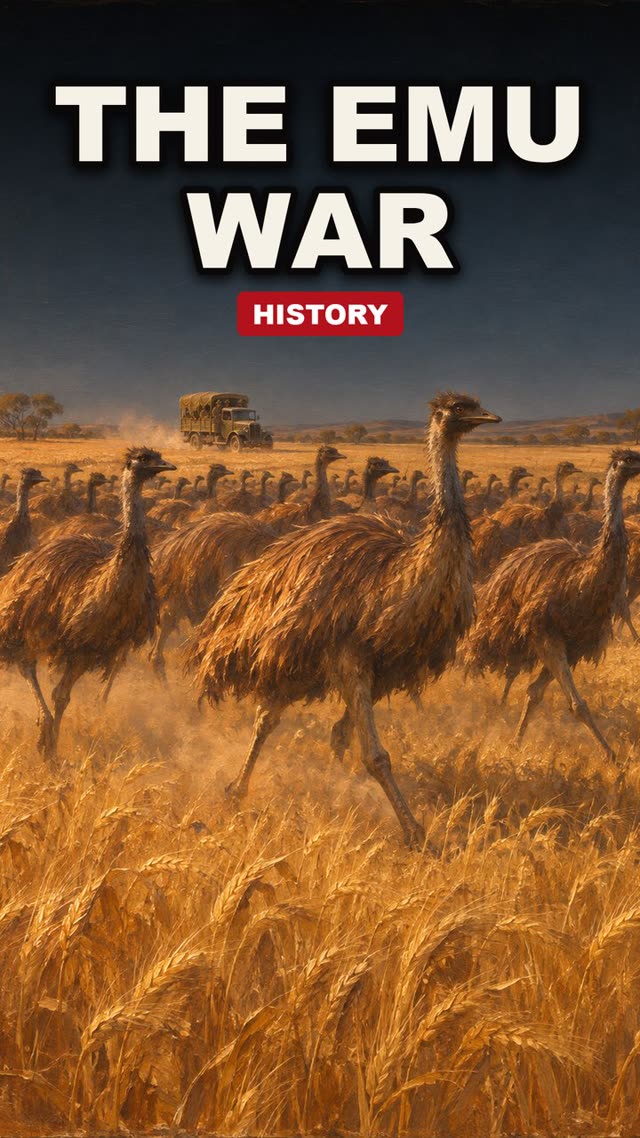
5History events
- On screen
- One event, person or odd fact per episode, told in about 45 seconds over painted scenes with slow camera moves and a narrator.
- Why it works
- One strange detail opens the episode, and the script lists the dates for you to check.
- Effort
- Low to medium: you check the facts.
Made here: history animation.
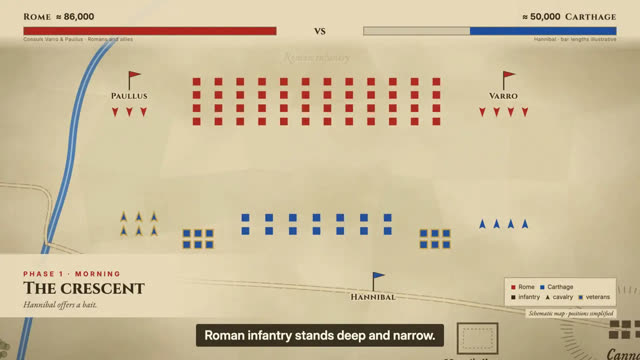
6Battle maps
- On screen
- One battle on a moving map, with borders, troop movements and labels drawn by code, plus a narrator.
- Why it works
- The map shows why the battle went the way it did.
- Effort
- Medium: dates and troop numbers need checking.
Made here: map animation. The films are wide, 16:9.
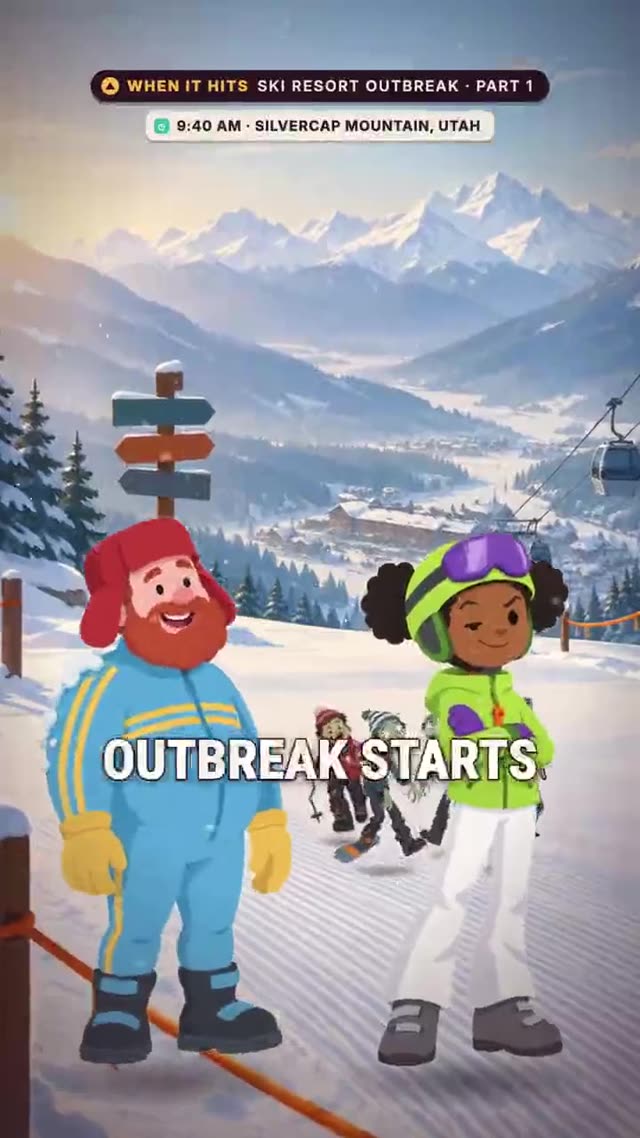
7What-if scenarios
- On screen
- One hypothetical per episode, played out by cartoon characters over illustrated places.
- Why it works
- The question is the hook and the answer unfolds step by step.
- Effort
- Medium.
Made here: what if scenarios.
Explainers and comedy
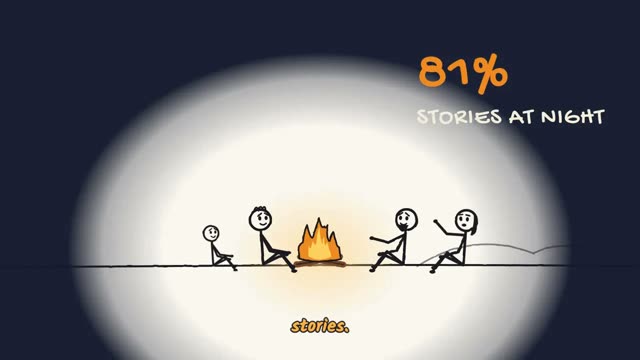
8Curiosity explainers
- On screen
- Pencil stick figures on paper answer one curious question.
- Why it works
- The look is simple on purpose, so the idea carries the video.
- Effort
- Low.
Made here: sketch animation.
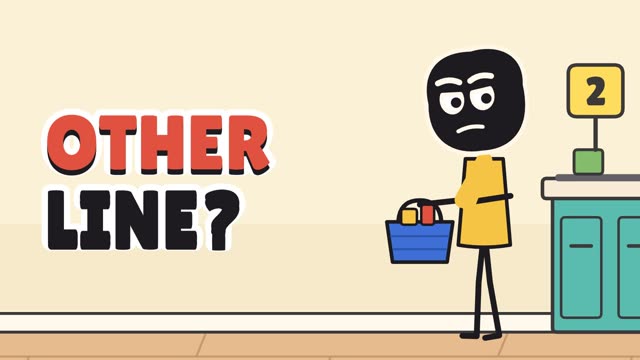
9Stick figure sitcoms
- On screen
- A small stick-figure cast acts out one everyday situation per film, with a voice and captions.
- Why it works
- Each episode is a self-contained joke, so the same cast returns.
- Effort
- Low to medium.
Made here: stickman animation maker.
10Science and body facts
- On screen
- Short explainers on how something in nature or the human body works.
- Why it works
- One mechanism per video is easy to test with a single title.
- Effort
- Low to medium: every fact needs a source.
Direction only: not a separate niche here yet.
11Money and business facts
- On screen
- Plain-language explanations of money and business ideas.
- Why it works
- Evergreen questions keep supplying topics.
- Effort
- Medium: claims must be accurate, and the subject is sensitive.
Direction only.
Motivation, faith and community stories
12Motivation and stoicism
- On screen
- Short lessons or reflections read over calm visuals.
- Why it works
- A daily-style series suits a fixed format.
- Effort
- Low, but originality is hard: write your own text instead of copying others' quotes.
Direction only.
13Bible stories
- On screen
- Retold Bible stories over illustrated scenes and a narrator.
- Why it works
- A large public source gives a steady supply of topics.
- Effort
- Medium: handle the source respectfully and accurately.
Direction only.
14Reddit-style stories
- On screen
- First-person stories read over a text card or a looping background.
- Why it works
- It is simple to make.
- Effort
- Low, but it is the weakest on originality and platforms limit repetitive versions, so write your own stories.
Direction only: we do not make this one at the moment.
Editing-only ideas
15Gaming clips
- On screen
- Recorded gameplay with a voice-over or captions.
- Why it works
- The footage is the draw.
- Effort
- Medium to high: you record and edit, and you should check the publisher's rules for monetised videos.
Direction only: it does not rely on generated pictures.
16Unboxings and product close-ups
- On screen
- Hands, products and a voice, with no face.
- Why it works
- Viewers searching for a product want to see it.
- Effort
- Medium: you need the products and a way to film them.
Direction only.
17Screen-recording tutorials
- On screen
- A narrator shows software or a process on screen.
- Why it works
- The screen is the subject, so no face is needed.
- Effort
- Low to medium: a clear voice matters more than art.
Direction only.
18ASMR and ambient sound
- On screen
- Close sounds or calm scenes with no talking.
- Why it works
- The sound is the draw.
- Effort
- Medium: it depends on good audio equipment.
Direction only.
Which faceless YouTube channel ideas our AI can make today
Eight of the 18 ideas, the ones marked "Made here", our AI can make end to end today: you describe the idea in chat, confirm the plan and the credits, then preview and download the finished video. The other ten need your own footage, editing or another tool.
| Idea | Length and shape of each film |
|---|---|
| Everyday mystery stories | 90 seconds, vertical 9:16 |
| Anime story shorts | 30 seconds, 9:16 by default or 16:9 |
| Horror and creepy stories | About 60 seconds, 9:16 |
| History events | About 45 seconds, 9:16 |
| Battle maps | About a minute to a minute and a half, 16:9 |
| What-if scenarios | About 60 seconds, 9:16 |
| Curiosity explainers | 60 seconds, 9:16 or 16:9 |
| Stick figure sitcoms | 60 seconds, 9:16 or 16:9 |
Each video is priced in credits, and the price is shown before you confirm. Plans and credit packs are on our AI faceless video generator pricing page.
How to test a faceless YouTube channel idea before you commit
Test an idea by writing ten titles, picking one source of facts and fixing one look, then publishing ten episodes before you decide. One video that does well, or badly, tells you almost nothing.
Write the promise
One sentence: who the channel is for and what every episode delivers.
List ten titles
If you cannot name ten specific episodes, pick another idea.
Choose one source of facts
Decide where each episode's facts come from, and note the source for each one.
Fix the look
One narrator voice, one visual style and one caption style for every episode.
Publish ten episodes, then decide
Judge the series, not a single video, and change one thing at a time.
YouTube, Shorts, TikTok and Reels: same idea, different format
The same idea works on all four formats, but the structure changes: regular YouTube videos lean on the title and the series, while Shorts, TikTok and Reels lean on the first seconds and one clear point.
| Format | Shape | What decides it |
|---|---|---|
| Regular YouTube video | Wide, 16:9 | The title, the thumbnail and the series |
| YouTube Shorts | Vertical, 9:16 | The first seconds and one clear point |
| TikTok and Reels | Vertical, 9:16 | The first seconds and one clear point |
Most of our niches make vertical 9:16 films that suit Shorts, TikTok and Reels. Battle maps are made wide, 16:9, for regular YouTube videos, and a few niches can be made either way.
Can faceless YouTube channels make money?
They can, but income depends on original content, facts you can check and following YouTube's rules, not on the niche's name. This page makes no income, view or ranking promises.
YouTube's monetization policies ask for original content that is not mass-produced, generic or repetitive, so read the current version before you plan around income.
Mistakes to avoid with a faceless YouTube channel
The three common mistakes are starting several niches at once, swapping nouns in a template and presenting unchecked claims as facts.
Starting five niches at once
Viewers cannot tell what the channel is for, and you cannot judge any of the five.
Pick one idea and make ten episodes first.
Swapping nouns in a template
Mass-produced, repetitive channels can be treated as low value.
Change the story, the pictures and the structure each time, and keep the look the same.
Presenting unchecked claims as facts
A fluent script is not a true script, and one wrong date costs trust.
List a source for each fact and say so when a figure is uncertain.
If you want one tool for YouTube, TikTok and Reels, try our faceless reels generator.
Frequently asked questions
- What are good faceless YouTube channel ideas for beginners?
- Start with an idea that has a clear, repeatable promise and an easy source of facts, such as history events, curiosity questions or short original stories. Choose one, make ten episodes and judge it after that.
- What is a faceless YouTube channel?
- A faceless YouTube channel publishes videos in which the creator never appears on camera. Animation, drawings, footage, screen recordings and a voice carry each video instead.
- Can I make Shorts as well as regular YouTube videos?
- Yes. Most ideas here work as vertical Shorts, and some, such as battle maps, are made wide for regular videos. Each niche page states the length and shape of its films.
- Is YouTube automation an idea?
- No. Automation is a way of producing videos, not a niche. You still need a repeatable promise and facts you can check, and you should read YouTube's current rules on original and repetitive content before you scale.
- What is a cash cow channel?
- It is an older name for faceless channels run mainly for ad income. We make no income promises, so pick an idea you can keep making and check YouTube's current monetization policy.
- Can I use these ideas for a kids channel?
- Content made for kids has extra rules on YouTube. None of the eight niches here is built for children, so read YouTube's made-for-kids requirements first if that is your plan.